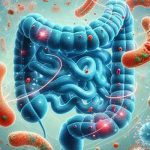
Probiotics have gained immense popularity in recent years, and for good reason. These “friendly” bacteria are essential for a balanced gut microbiome, which plays a pivotal role in digestion, immunity, and even mental health.
But many people who start taking probiotics wonder: how do I know if they’re actually working?
Unlike medications, the effects of probiotics aren’t always immediate or dramatic. However, your body does give subtle, and sometimes surprising, signals that indicate positive changes are happening inside your gut.
In this guide, we’ll explore 7 signs probiotics are working, how to recognize them, and what they mean for your overall health.
What Are Probiotics and How Do They Work?
Before diving into the signs, it’s important to understand what probiotics are and how they function in the body.
Probiotics are live microorganisms, primarily bacteria and some yeasts, that provide health benefits when consumed in adequate amounts. They are naturally found in fermented foods such as yogurt, kefir, sauerkraut, kimchi, and miso, as well as in dietary supplements.
How Probiotics Impact Your Gut?
Your gut contains trillions of microorganisms, collectively known as the gut microbiome. A healthy microbiome helps:
-
Break down and absorb nutrients
-
Regulate bowel movements
-
Support your immune system
-
Reduce inflammation
-
Influence mood and brain health
Probiotics work by:
-
Restoring Balance: They increase the number of good bacteria, especially after disturbances such as antibiotics or poor diet.
-
Inhibiting Harmful Bacteria: Probiotics compete with pathogenic bacteria, reducing the risk of infections and digestive issues.
-
Enhancing Gut Barrier Function: They strengthen the intestinal lining, preventing leaky gut and supporting overall immunity.
However, not all probiotics are the same. Different strains have unique benefits, so the effects may vary depending on the type and dose you take.
7 Signs Probiotics Are Working
While results can take anywhere from a few days to several weeks, seven key signs indicate your probiotics are positively affecting your gut health.
1. Improved Digestion and Regular Bowel Movements
One of the most noticeable signs that probiotics are working is better digestion. This includes:
-
Less bloating and gas
-
Softer, more regular stools
-
Reduced constipation or diarrhea
Probiotics like Lactobacillus acidophilus and Bifidobacterium lactis help break down food more efficiently, regulate bowel movements, and restore balance to your gut flora.
If you notice that your digestive issues are easing within a few weeks of starting probiotics, it’s a clear indicator that your gut microbiome is benefiting.
2. Reduced Bloating and Gas
Bloating and gas are common symptoms of gut imbalance. Probiotics work to reduce the overgrowth of harmful bacteria that produce excess gas during digestion.
Signs that this is happening include:
-
Less abdominal distention after meals
-
Fewer gurgling sounds in your stomach
-
Relief from occasional cramping
This can be particularly noticeable when switching from a diet high in processed foods to one rich in fiber and probiotics. Over time, your gut becomes more efficient at fermenting fibers, which reduces uncomfortable gas production.
3. Enhanced Immune Function
Did you know that about 70% of your immune system resides in your gut? A balanced microbiome plays a crucial role in defending your body against pathogens.
Signs probiotics are boosting your immunity include:
-
Fewer seasonal colds or infections
-
Faster recovery from minor illnesses
-
Reduced inflammation and allergic reactions
Probiotics like Lactobacillus rhamnosus GG have been shown to enhance immune responses, helping your body produce antibodies and immune cells more effectively. If you find yourself getting sick less often, it’s likely your gut flora is supporting your immune system.
4. Better Mood and Mental Clarity
The gut-brain axis is a fascinating pathway that connects your digestive system to your brain. Probiotics can influence the production of neurotransmitters such as serotonin, which affects mood, sleep, and mental clarity.
Signs that probiotics are positively affecting your mental health include:
-
Improved mood and reduced irritability
-
Better focus and concentration
-
Reduced symptoms of anxiety or mild stress
Research has shown that certain strains, such as Bifidobacterium longum and Lactobacillus helveticus, may help alleviate mood-related symptoms. While probiotics aren’t a substitute for professional mental health care, supporting your gut health can be a powerful adjunct to improving emotional well-being.
5. Increased Energy Levels
Many people notice a subtle boost in energy levels after taking probiotics consistently. This happens because:
-
A healthy gut absorbs nutrients more effectively
-
Digestion becomes more efficient, reducing energy-draining inflammation
-
Toxins and harmful bacteria that cause fatigue are minimized
Signs include:
-
Feeling less sluggish after meals
-
Fewer afternoon energy crashes
-
Greater overall vitality
If you start feeling more alert and energized after incorporating probiotics into your diet, it’s a positive sign that your gut health is improving.
6. Clearer Skin
Your skin is often a reflection of your internal health. Imbalances in the gut microbiome can contribute to skin conditions such as acne, eczema, and rosacea.
Probiotics help by:
-
Reducing inflammation throughout the body
-
Balancing hormones that affect skin health
-
Improving nutrient absorption, which supports skin repair
Signs of skin improvement include:
-
Reduced breakouts and redness
-
Healthier, more radiant complexion
-
Less irritation and inflammation
Strains like Lactobacillus rhamnosus have been specifically studied for their positive effects on skin, making probiotics a potential ally in both digestive and dermatological health.
7. Reduced Cravings and Improved Appetite Regulation
Probiotics can influence your metabolism and satiety hormones, which in turn can affect cravings and appetite.
Signs that this is happening include:
-
Reduced sugar or junk food cravings
-
Feeling satisfied with smaller portions
-
Better control over hunger cues
A balanced gut microbiome helps regulate ghrelin (the hunger hormone) and leptin (the satiety hormone), which can lead to healthier eating habits and better weight management. If you notice that you’re naturally reaching for fewer unhealthy snacks, probiotics may be playing a role.
How Long Does It Take for Probiotics to Work?
The timeline for probiotic effects can vary depending on:
-
The strain and potency of the probiotic
-
Your current gut health
-
Diet and lifestyle factors
Some people notice improvements in digestion and bloating within a few days, while other benefits like mood enhancement and skin improvements may take 4–8 weeks.
Tips to Maximize the Benefits of Probiotics
To ensure your probiotics are working effectively, consider the following tips:
-
Choose the Right Strain: Different strains target different health concerns. For example, Lactobacillus plantarum for digestion, Bifidobacterium longum for immunity, or Lactobacillus rhamnosus for skin health.
-
Look for Adequate CFUs: CFU stands for Colony Forming Units. A higher count (10–50 billion CFUs) can increase the likelihood of colonization in your gut.
-
Pair With Prebiotics: Prebiotics are fibers that feed good bacteria. Foods like bananas, onions, garlic, and oats can boost probiotic effectiveness.
-
Maintain a Healthy Diet: Avoid excessive sugar, processed foods, and antibiotics unless necessary, as these can disrupt gut balance.
-
Be Consistent: Regular intake is crucial. Sporadic consumption may limit the benefits.
Signs That Your Probiotics May Not Be Working
Not everyone experiences noticeable changes immediately, and sometimes probiotics may not be effective if:
-
You are taking the wrong strain for your needs
-
You’re consuming poor-quality supplements with insufficient CFUs
-
Antibiotics or gut infections interfere with bacterial balance
-
Lifestyle factors (stress, poor diet, alcohol) counteract the benefits
If you don’t notice positive changes within 4–8 weeks, consider consulting a healthcare professional or trying a different probiotic strain.
Conclusion
Recognizing the signs that probiotics are working can help you stay motivated and make informed decisions about your gut health.
From improved digestion and reduced bloating to better mood, energy, and clearer skin, the benefits are multifaceted and impactful.
Consistency is crucial, as is choosing the right probiotic for your unique health goals. By paying attention to the subtle signals your body sends, you can ensure that your efforts toward gut health are paying off and enjoy the long-term benefits of a balanced microbiome.
If you’re ready to support your gut health, start with a quality probiotic supplement or incorporate probiotic-rich foods into your daily diet. Your gut (and your overall health) will thank you!
.